
Gaddafi Stadium: Lahore Cricket Venue, Records and Pitch Guide
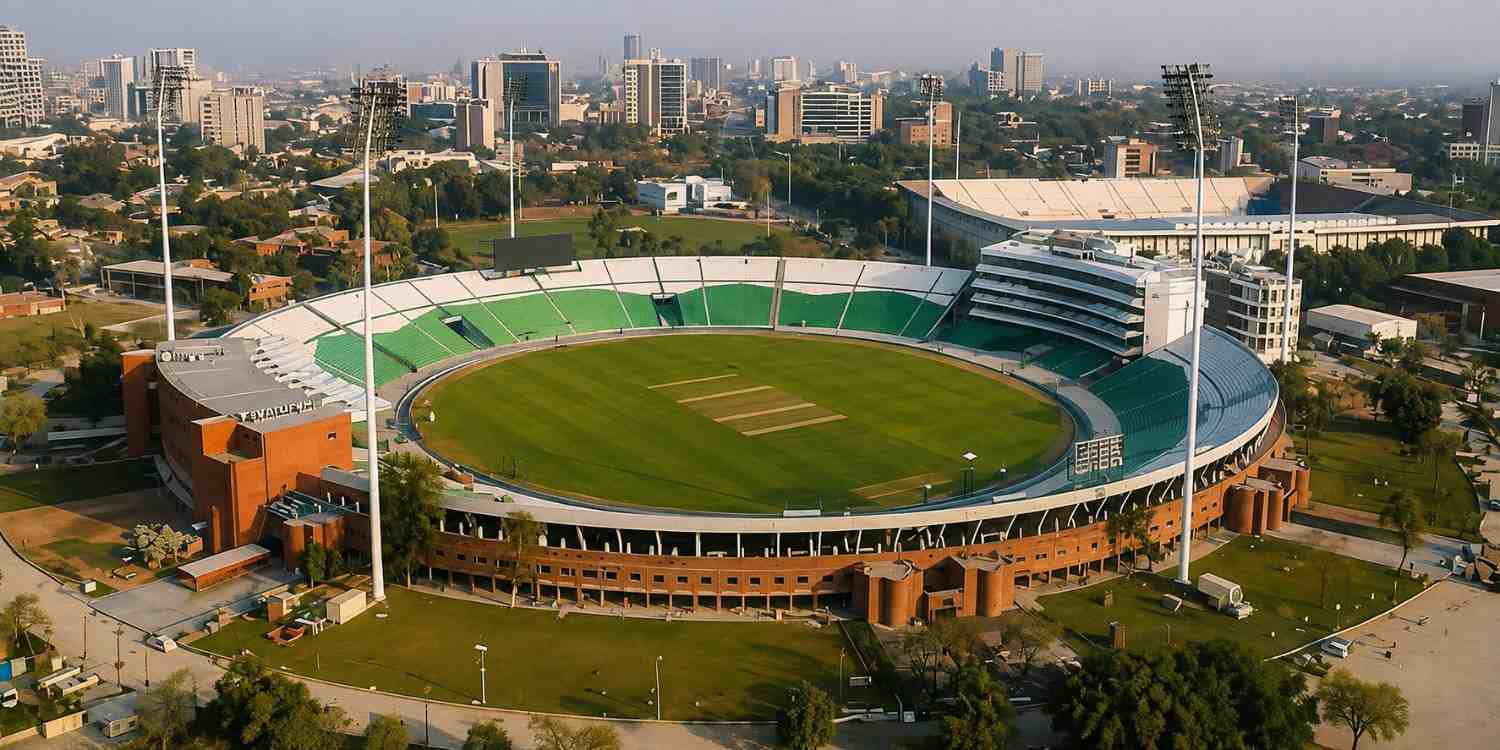
Gaddafi Stadium remains Lahore’s best known cricket ground, and its latest rebuild has returned the venue to the centre of Pakistan’s international calendar. The ground opened in 1959, carried the earlier name Lahore Stadium, and later became a regular home for Pakistan matches, domestic finals, and Lahore Qalandars nights. For many Pakistan followers, the address carries emotion before any scorecard appears, making each big night feel distinctly Lahori during packed marquee fixtures.
The current story of Gaddafi Stadium Lahore cannot be read through history alone. PCB announced a capacity rise to 35,000 before the 2025 Champions Trophy, with new seating, improved broadcast lighting, and fresh replay screens. The renovation gave the venue a cleaner matchday profile after years of older capacity references.
A Lahore Ground With National Weight
Gaddafi Stadium Pakistan has a place larger than a normal city venue. Lahore brings heavy cricket culture, strong crowds, and a long memory of Pakistan’s biggest home nights. The ground has hosted Tests, ODIs, T20Is, women’s internationals, Pakistan Super League matches, and global tournament fixtures.
Its importance grew again during the 2025 Champions Trophy. Lahore was listed for Australia against England, Afghanistan against England, Afghanistan against Australia, and the second semi-final. The final was originally listed for Lahore unless India qualified, and it moved to Dubai when India reached the title match.
This detail keeps the record accurate for readers checking the tournament path. The venue was central to the event, yet it did not stage the final.
Current Ground Card After The Rebuild
| Detail | Gaddafi Stadium Lahore information |
| City | Lahore, Punjab, Pakistan |
| Opened | 1959 |
| Earlier name | Lahore Stadium |
| Ends | Pavilion End and College End |
| Latest PCB capacity update | 35,000 after 2025 upgrade work |
| Floodlights | Available |
| Home T20 franchise link | Lahore Qalandars home ground |
| Time zone | UTC plus 05:00 |
The Gaddafi Stadium capacity number needs context because cricket databases may retain older venue entries. PCB’s January 2025 update is the stronger reference for the rebuilt ground because it came during the Champions Trophy preparation period.
Pitch Behaviour For Real Match Planning
The Gaddafi Stadium pitch report changes with format, season, and surface preparation. Older Test records show long batting time and heavy first-innings scoring. Recent white-ball cricket has brought quicker scoring, better lights, and a fast outfield after the upgrade phase.
Captains look at these match points before naming an XI:
- Fresh pitches can reward batters who drive straight early.
- Evening matches may bring grip if the surface slows.
- New-ball seamers can use carry before the ball softens.
- Wrist-spinners remain useful when batters attack square boundaries.
- Dew can affect catching, gripping, and late-innings control.
This makes Lahore a venue where the toss view can change by format. In ODIs, teams still respect the first-innings platform. In T20s, boundary hitting and death bowling decide many games.
Records That Explain The Venue Reputation
Gaddafi Stadium records carry several high-value entries across formats. The venue has hosted 42 Tests, 90 ODIs, and 37 T20s in current Cricbuzz records. Test cricket here has produced large totals, while ODI cricket has seen high chases and heavy scoring days.
Important record markers include:
- Pakistan made 699 for 5 against India in a Test at Lahore.
- New Zealand were bowled out for 73 in a Test at this ground.
- Pakistan made 375 for 3 against Zimbabwe in an ODI.
- England made 209 for 3 against Pakistan in a T20 match.
- Pakistan chased 197 for 3 against Bangladesh in a T20 game.
These Gaddafi Stadium Lahore records show why the ground cannot be labelled through one pitch type. It has produced long Test batting, huge ODI scoring, and tight T20 pressure.
Champions Trophy 2025 Impact
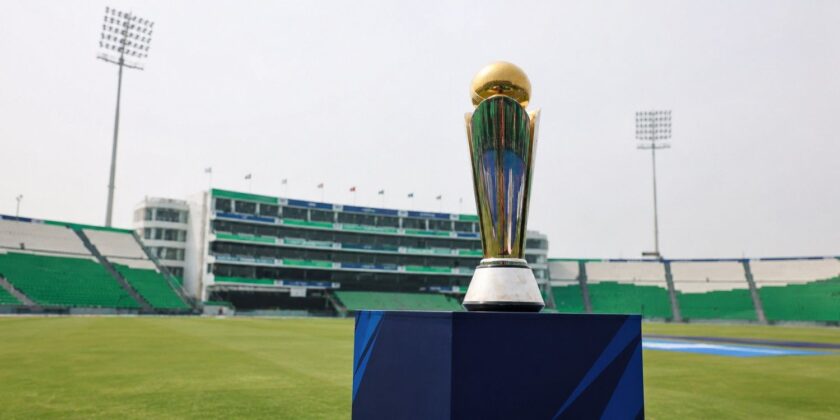
Gaddafi Stadium Champions Trophy 2025 coverage renewed global attention on Lahore. The second semi-final between New Zealand and South Africa was the strongest match in that phase. New Zealand won by 50 runs after a high-scoring contest that confirmed the venue could handle elite tournament pressure.
Australia’s chase against England also gave the ground a modern ODI reference point. England reached 351 for 8, yet Australia chased 356 for 5 in 47.3 overs. The match strengthened the view that Lahore can produce rapid scoring when batting depth and conditions align.
The Afghanistan versus Australia game ended without a result because of rain. The result reminder is important because venue guides must account for weather, drainage, and interruption risk along with batting numbers.
Selection Calls Captains Make In Lahore
A balanced XI usually makes sense at Lahore. Teams need top-order power, but they cannot ignore bowling variation. Pace works early, spin can hold the middle overs, and cutters may help near the end when batters target shorter gaps.
A captain may prefer:
- Three pace options with different release points
- A wrist-spinner or finger-spinner for middle overs
- Batters who handle pace through the line
- Lower-order hitters who can use the last five overs
- Fielders with strong boundary judgment under lights
Gaddafi Stadium ODI records suggest that 300 is no longer a safe psychological line when batting quality is high. Bowlers need plans for both halves of the innings, not merely a new-ball burst.
What Visiting Fans Should Know First
Gaddafi Stadium is placed in Lahore, a city where cricket days can feel like civic events. Match traffic, entry timing, weather, security checks, and local movement need planning before arrival. The renovated seating and lighting have improved the fan experience, but big fixtures still require patience.
For spectators, the safest reading is simple. Arrive early, check gate information, carry only permitted items, and expect longer movement near the ground after play. Night matches can finish late, which makes return transport planning useful.
The venue’s appeal comes from noise, memory, and local pride. A Lahore crowd reacts sharply to wickets, boundaries, and Pakistan players with city links.
In Summary
Gaddafi Stadium is now both an old Lahore cricket address and a rebuilt international venue. The 1959 origin gives it heritage, while the 2025 upgrade gives it a fresher public profile. Current records show a ground with serious red-ball history and lively white-ball value.
The best view is practical. Lahore can reward brave batting, but it still asks bowlers to adapt. Under lights, the game may swing through pace, spin, weather, and fielding quality rather than one fixed pitch rule.
For readers tracking Gaddafi Stadium Lahore, the key facts are clear: opened in 1959, earlier known as Lahore Stadium, updated before the Champions Trophy, and central to Pakistan’s modern home calendar.
FAQs
What is Gaddafi Stadium famous for?
Gaddafi Stadium is famous for Pakistan internationals, Lahore cricket crowds, Pakistan Super League matches, and Champions Trophy 2025 fixtures. Its long history and 2025 rebuild make it a key venue in Pakistan cricket.
What is the latest Gaddafi Stadium capacity?
PCB announced that Gaddafi Stadium capacity increased to 35,000 before the 2025 Champions Trophy. Some older database pages still list lower numbers, which likely reflect earlier venue information.
Is Gaddafi Stadium good for batting?
Gaddafi Stadium can be strong for batting in white-ball cricket when the surface is true and the outfield is quick. Bowlers still get chances through pace changes, spin control, and pressure overs.
Which team uses Gaddafi Stadium as a home ground?
Lahore Qalandars use Gaddafi Stadium as their main Pakistan Super League home venue. Pakistan’s national team also plays international matches there across formats.
Did Gaddafi Stadium host the 2025 Champions Trophy final?
Gaddafi Stadium was listed for the final only if India did not qualify. India reached the final, which was played in Dubai, where India beat New Zealand by four wickets.